当 App Server 收到 thread/start 时,它不能只执行 threads[id] = Session()。Thread 可能来自全新
配置、持久 Rollout、一个正在运行的同 ID Session,或另一个 Thread 的截断快照。创建期间还要启动
MCP、Extensions、环境和存储服务。任何一步失败,都不能把半初始化对象暴露给客户端。
ThreadManager 解决的核心问题是:把“构造 Session”与“发布一个可查询 Thread”分成两个阶段,并 让新建、恢复和派生最终汇入同一注册屏障。
ThreadManager 是共享服务与活对象注册表
ThreadManager 内部的 State 由 Arc 共享,主要持有两类东西:
| 类别 | 代表成员 | 生命周期 |
|---|---|---|
| 进程级共享服务 | Auth、Models、Environment、Skills、Plugins、MCP、Extensions、ThreadStore | 通常跨多个 Thread |
| 活 Thread 控制面 | live map、thread-created broadcast、启动中 MCP 标记 | 随当前进程中的 Thread 变化 |
Live map 保存 ThreadId → Arc<CodexThread>,它不等于持久数据库。一个 Thread 可以存在于 ThreadStore
但尚未加载进 map;也可以从 map 移除后仍被其他 Arc 持有。
这个区分解释了为什么“列出历史 Thread”和“取得当前运行对象”需要不同路径。
StartThreadOptions 是创建合同
新 Thread 不只需要 Config。创建合同还携带:
- InitialHistory:New、Resumed、Forked 或其他历史形态;
- History mode 与 fork persistence;
- SessionSource、ThreadSource 和 parent trace;
- 动态工具与初始 Extension Data;
- 工作环境选择;
- 是否支持 OpenAI form elicitation;
- 是否允许 Provider model fallback。
将这些信息打包的意义是:Session 启动后不必再从 UI 全局变量猜来源。来源还会影响内部 Thread 可见性、AgentControl、Rollout metadata 和生命周期 Hook。
Fresh Start 先补齐派生值
Fresh start 会在进入通用 spawn 前补默认环境、按 Config 选择 AgentControl,并从历史或 Manager 默认 值解析 Session/Thread source。
async def start_thread(manager: ThreadManager, options: StartThreadOptions) -> NewThread:
    environments = options.environments or default_environments(
        manager.environment_manager,
        cwd=options.config.cwd,
        workspace_roots=options.config.workspace_roots,
    )
    agent_control = manager.agent_control_for(options.config)
    session_source, thread_source = resolve_sources(
        options.initial_history,
        explicit_session_source=options.session_source,
        explicit_thread_source=options.thread_source,
        manager_default=manager.session_source,
    )
    return await manager.state.spawn_with_source(
        options=options,
        environments=environments,
        agent_control=agent_control,
        session_source=session_source,
        thread_source=thread_source,
    )
默认值计算发生在发布前,因此失败不会留下一个只有 ID、没有执行环境的可见 Thread。
Resume 的第一步是判断活对象还是冷历史
从 rollout path 恢复时,ThreadStore 先返回 StoredThread 和历史,再转成 Resumed InitialHistory。进入 spawn 后,系统检查 live map 中是否已经有同 conversation ID 的对象。
有三种结果:
- 对象仍在运行,且请求的 rollout path 相容:直接返回现有 Arc;
- 对象仍在运行,但 path 不同:拒绝请求,不能让同 ID 指向两份历史;
- 对象已经停止:先移出 stale entry,再从历史重建。
async def resolve_resume_target(
    live: LiveThreadMap,
    history: ResumedHistory,
) -> ExistingThread | SpawnRequired:
    current = await live.get(history.thread_id)
    if current is None:
        return SpawnRequired(history)
    if current.is_running():
        if history.requested_rollout_path not in {None, current.rollout_path}:
            raise InvalidRequest("same thread id is running with another rollout")
        return ExistingThread(current)
    await live.remove(history.thread_id)
    return SpawnRequired(history)
Resume 是恢复同一个 Thread 身份,不是复制。V2 根 Agent 还需要从 AgentGraphStore 恢复元数据;真正 完成注册后,Runtime 才发送 thread-resume lifecycle。
Fork 先定义快照语义,再创建新身份
Fork 与 Resume 的区别不只是换 ID。Fork 必须决定 source 正处于 mid-turn 时如何得到一致历史。
当前有两个明确快照合同:
| 快照 | 行为 |
|---|---|
| TruncateBeforeNthUserMessage | 在第 n 个 user boundary 前截断;越界且正在 mid-turn 时丢弃未完成 suffix |
| Interrupted | 保留当前持久前缀;若末尾仍在 Turn 内,追加与真实 interrupt 同形的 aborted marker |
Interrupted 不是执行一次真实取消。它是在派生历史中表达“这个快照到这里被中止”,保证模型不会 把孤立 Tool Call 或半个 Turn 当成正常完成。
Subagent 从 live parent 派生时,还要先 materialize 并 flush Rollout,再从 Store 读取。否则内存里 刚写的 Item 可能尚未进入可复制快照。
async def fork_thread(source: CodexThread, snapshot: ForkSnapshot, config: Config) -> NewThread:
    await source.ensure_rollout_materialized()
    await source.flush_rollout()
    stored = await source.read_thread(include_history=True)
    history = convert_to_initial_history(stored)

    if snapshot.kind == "interrupted":
        fork_history = append_abort_marker_if_mid_turn(history, config)
    else:
        fork_history = truncate_at_user_boundary(history, snapshot.user_index)

    return await spawn_new_identity(config=config, history=fork_history)
Copied persistence 与 Referenced persistence 也不能混为一谈。前者复制历史,后者引用已有 history base 并记录 inherited item count;二者后续存储成本和释放时机不同。

通用 spawn 组装 Session 需要的全部服务
在真正创建 Session 前,State 还会解析:
- user instructions 来源;
- parent/forked Thread 关系;
- multi-agent version;
- originator;
- parent rollout trace;
- 继承的 environment/exec policy;
- Extension 初始数据。
然后一次性构造 SessionSpawnArgs,把共享 Managers 与这次 Thread 的值交给 Session::spawn。这里的
失败仍属于“未发布启动失败”。
SessionConfigured 是发布屏障
Session::spawn 返回 Session 和 SessionIo,并不代表客户端现在就能安全提交 Turn。ThreadManager 会先 从 Event Channel 读取第一个事件,并验证:
- Event ID 是初始化专用 ID;
- Event 类型是 SessionConfigured;
- 其中包含 Thread ID、配置快照与 Rollout path 等初始化结果。
只有验证通过,才构造 CodexThread 并尝试插入 live map。
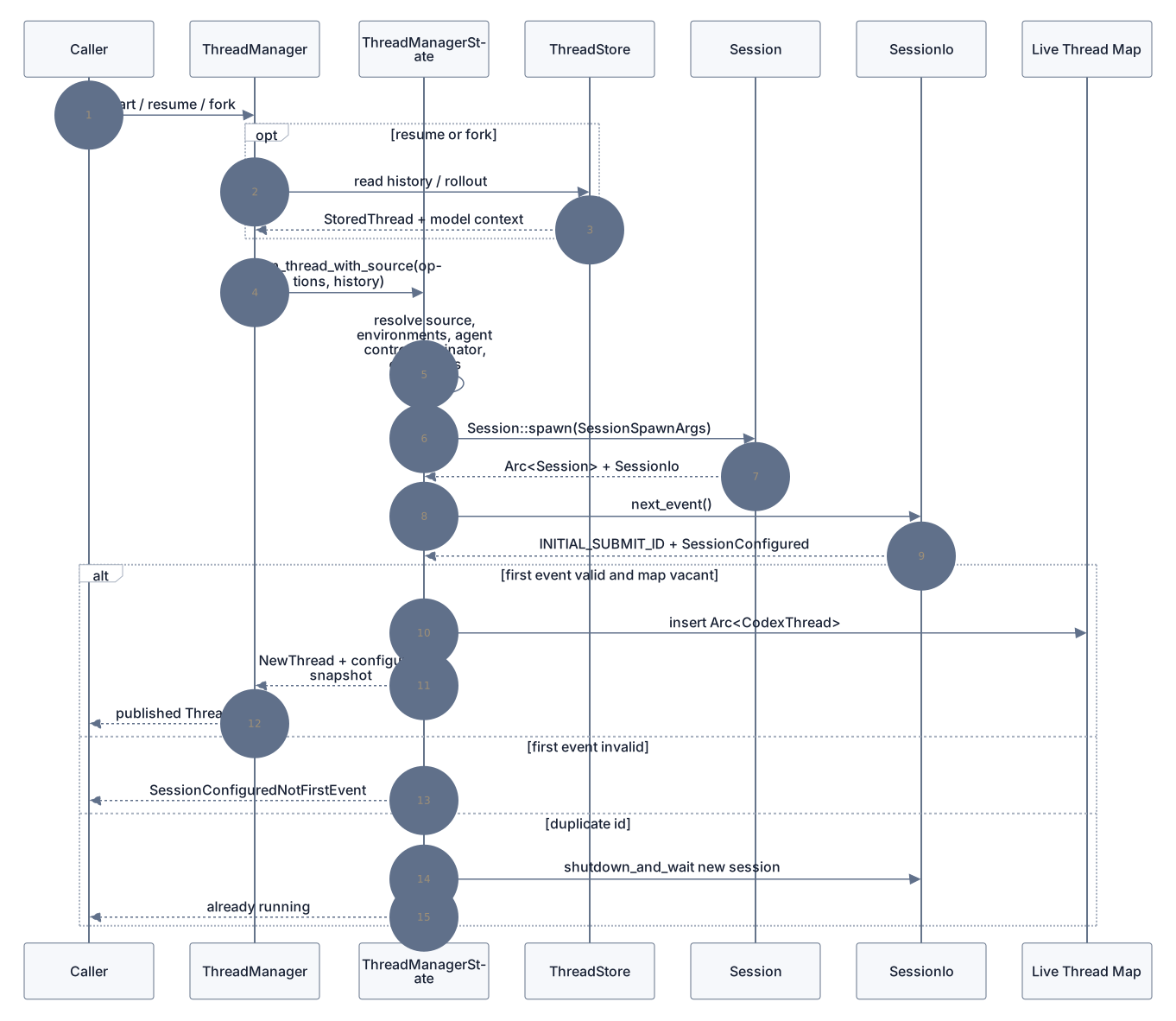
async def finalize_spawn(
    state: ThreadManagerState,
    session: Session,
    io: SessionIo,
    source: SessionSource,
) -> NewThread:
    first = await io.next_event()
    if first.id != INITIAL_SUBMIT_ID or not isinstance(first.msg, SessionConfigured):
        raise SessionConfiguredNotFirstEvent()

    candidate = CodexThread(
        session=session,
        io=io,
        configured=first.msg,
        source=source,
    )
    inserted = await state.live_threads.insert_if_vacant(session.thread_id, candidate)
    if inserted:
        return NewThread(candidate, first.msg)

    await io.shutdown_and_wait()
    raise InvalidRequest("thread id is already running")
“先插 map,再等配置”看似能减少一步等待,但会让其他请求取得一个尚未建立 Rollout 或服务状态的 Thread。当前顺序用一次首事件等待换取清晰的发布不变式。
重复注册必须关闭败方 Session
即使启动前检查过 map,两个并发请求仍可能同时完成 Session::spawn。最终插入使用 Vacant entry
判断。只有一个 Candidate 成功;另一个必须 shutdown_and_wait,否则它虽然不可查询,却仍可能持有
后台任务、通道和外部服务。
这也是为什么注册不能只做 map.insert(id, new):覆盖旧 Arc 会让正在服务客户端的 Thread 从 Manager
消失,却不一定真正停止。
Internal Thread 的“不可见”不等于“不受管理”
Memory consolidation 等内部 Session 可以进入完整 map,以便生命周期和全局关闭统一管理。但普通
get_thread 和 list_thread_ids 会隐藏它们,防止公开客户端向内部维护任务提交用户 Turn。
全局 bounded shutdown 读取完整 map,并发向每个 Thread 提交 Shutdown,再分成:
- completed:移出 map;
- submit_failed:保留,便于诊断;
- timed_out:保留,允许后续重试或检查。
async def shutdown_all(manager: ThreadManager, timeout: float) -> ShutdownReport:
    snapshot = await manager.live_threads.clone_entries()
    outcomes = await gather(
        *(shutdown_one(thread, timeout) for thread in snapshot.values())
    )
    report = classify(outcomes)
    await manager.live_threads.remove_many(report.completed)
    return report
remove_thread 只改变注册所有权
remove_thread 返回被移出的 Arc。其他组件可能还持有 clone,所以这不是内存销毁屏障;也不会删除
ThreadStore 中的历史。永久删除、归档、冷存储读取是另外的操作。
失败矩阵
| 条件 | 结果 | 是否进入 live map |
|---|---|---|
| StoredThread 无历史 | Fatal/读取错误 | 否 |
| Resume live Thread,path 相容 | 返回现有 Arc | 已存在 |
| Resume live Thread,path 冲突 | InvalidRequest | 不新增 |
| Fork source rollout flush 失败 | Fork 失败 | 否 |
| Session::spawn 失败 | 启动失败 | 否 |
| 首事件不是初始化 SessionConfigured | 专用错误 | 否 |
| map 插入竞争失败 | 关闭新 Session,返回 duplicate | 只有胜方 |
| Internal Thread 普通查询 | ThreadNotFound | 实际仍被追踪 |
| bounded shutdown 超时 | 报告 timed_out | 保留 |
测试重点
ThreadManager 测试必须观察身份与所有权,而不是只看“能否发消息”:
async def test_resume_running_thread_reuses_arc() -> None:
    first = await manager.start_thread(options())
    resumed = await manager.resume(first.rollout_path)
    assert resumed.thread is first.thread


async def test_publish_requires_configured_first_event() -> None:
    session, io = fake_spawn(first_event=TurnStarted("bad"))
    with raises(SessionConfiguredNotFirstEvent):
        await manager.finalize(session, io)
    assert not manager.live_threads.contains(session.thread_id)


async def test_internal_thread_hidden_but_shutdown() -> None:
    internal = await manager.start_thread(internal_options())
    assert await manager.get_thread(internal.id) is None
    report = await manager.shutdown_all(timeout=5)
    assert internal.id in report.completed
当前生产测试还覆盖 Extension initial data、fork aborted marker、环境继承边界、active resume 和 bounded shutdown。它们共同保护“历史身份、活对象身份和公开可见性不是同一个概念”。
小结
ThreadManager 的工作不是创建一个 hashmap entry,而是把共享服务、历史、来源和环境组装为 Session, 等待初始化事件证明它已就绪,再通过唯一性检查发布 CodexThread。Resume 复用身份,Fork 创建身份, Internal source 决定可见性,ThreadStore 保留冷状态。
下一节将打开发布后的 CodexThread,区分它向调用方暴露的提交端、事件端、状态 watcher 和关闭 协议。ThreadManager 决定“哪个 Thread 存在”,CodexThread 决定“怎样与这个 Thread 交互”。
评论
登录后即可评论